Maybe I Should Stop Writing…?

If you asked my younger self what they wanted to become when they grow up, they would say they wanted to become a lawyer, or a journalist. A lawyer because I read anything I could lay my hands on, and a journalist because I talk a lot. But one thing I never knew I could become was a writer. How these people would pluck words and combine them like magic to make meaning, how wondrous those words would sound when said out loud.
In my years of yore, I watched a Nollywood movie, the title I can’t remember, and it made me scared, and I thought about it for days. Those thoughts became inspiration, and that was how I found a 40-leaves exercise book and started penning down words. I wrote a prologue, and chapter one. Then a second, a third, until I wrote the seventh chapter. By the time I was done, I had written over 50 pages. Wheeew!
I thought hard of a suitable title for the book (which I later learned was called a novella, or novelette), and the only one that stuck with me was The Wicked Man. I felt it was fitting because the main character was just as the title implied, wicked.
I felt pride when I was done writing, but was skeptical about sharing it. I hate strange voices telling me what to do, especially when they don’t have knowledge or experience on that particular thing. I shared my story with one friend, and she took a pen correcting some words like interesting. ‘That word is spelt I-N-T-R-E-S-T-I-N-G,’ she told me. ‘If you spell like the way you did, it’ll have to be pronounced in-ti-res-ting. Do you see it now? So intresting.’ I nodded like an Agama lizard. What did I know? Imagine my annoyance was when I discovered that this girl had been wrong all those years!
After I wrote The Wicked Man, I stopped writing stories. It didn’t make sense that I wrote about a man that became who was by using his wives’ spiritual energy to become wealthier, or that the other character in the book was the one catering for her family, to the extent she had to hawk meals on the street to feed her child and husband for who was deported from the abroad. I had no idea why I wrote what I wrote, but what mattered was that I penned down words.
—
In Senior Secondary School, I met a science student whose flair for writing poetry was remarkable. She wrote lots of love poems, and I read everything. I don’t know, but they were all centred on heartbreak, and I wondered if she’d had her heart broken by some guy. She encouraged me to write mine, but I couldn’t get. My poems read like letters, but she told me she loved them regardless. I wished I had the gift to pluck words and build things like she did.
—
Everything changed when I read Purple Hibiscus by Chimamanda Ngozi Adichie. I was close friends with the library prefect in my school, and she allowed me to take the book from the school library. I took it home and read it. The book felt like an illumination; it was light. Each page I opened felt so familiar. Though I’ve never been to Enugu, the dynamic felt real: the mandatory Sunday service. The eating of Sunday rice and stew. The shiver when your father calls your name. The dread you experience when you’re sure you’ve done something wrong. Kambili’s story felt like mine.
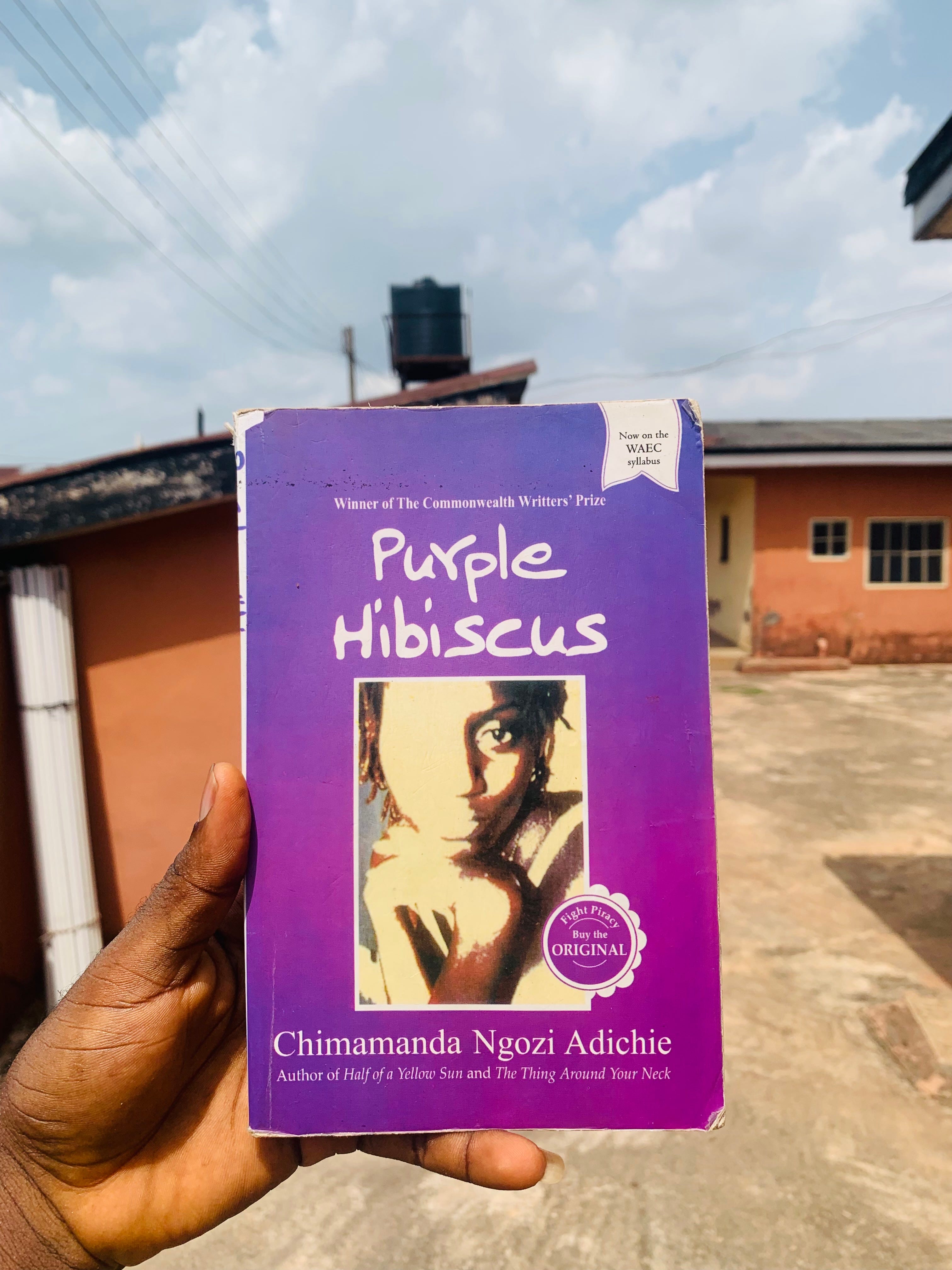
The Nigerianness wasn’t far-fetched, and I couldn’t help but read it again. I read it for a third time, and a fourth. The story consumed me, but in a way that was healthy. It made me want to write about stories that I’m familiar with, places I’ve been to, experiences that I’ve lived. I wanted to write, but my concepts were dull.
I was reading an article that highlighted books that were going to be published in the coming year, and prominent among them was God’s Children Are Little Broken Things, a story collection by Arinze Ifeakandu. When I heard that it’s a compilation of stories about gay men living in Nigeria, I was sat. I waited until the book was published and got an e-copy of it.
I remember the night I got it in the month of October. I remember it like I know my name. I was so excited and scared to read it. Why, I don’t know. Normally, I would wait for the book to marinate on my reading app, but this one couldn’t wait. That night, I began reading it, and I couldn’t stop.
I read the first story. Heartbreaking. I read the second story. Less heartbreaking. The third story. Even more heartbreaking. But I couldn’t stop reading. It was like I was hooked or something. I read the story that had the same title as the book, Alọbam, Good Intentions.
My soul was so happy when I started reading What the Singers Say About Love. I was deeply excited for Somto and Kayode, but as the story progressed, things weren’t going to remain happy for long. I was apprehensive, wishing that things would end well for both characters, but it didn’t. When I got to the last part of the story, I broke down in tears. Real tears. I was crying for characters that were nonexistent. I was trying hard to stifle my whispers so one would hear me and start questioning me about anything. I wiped my tears, and had to continue reading.
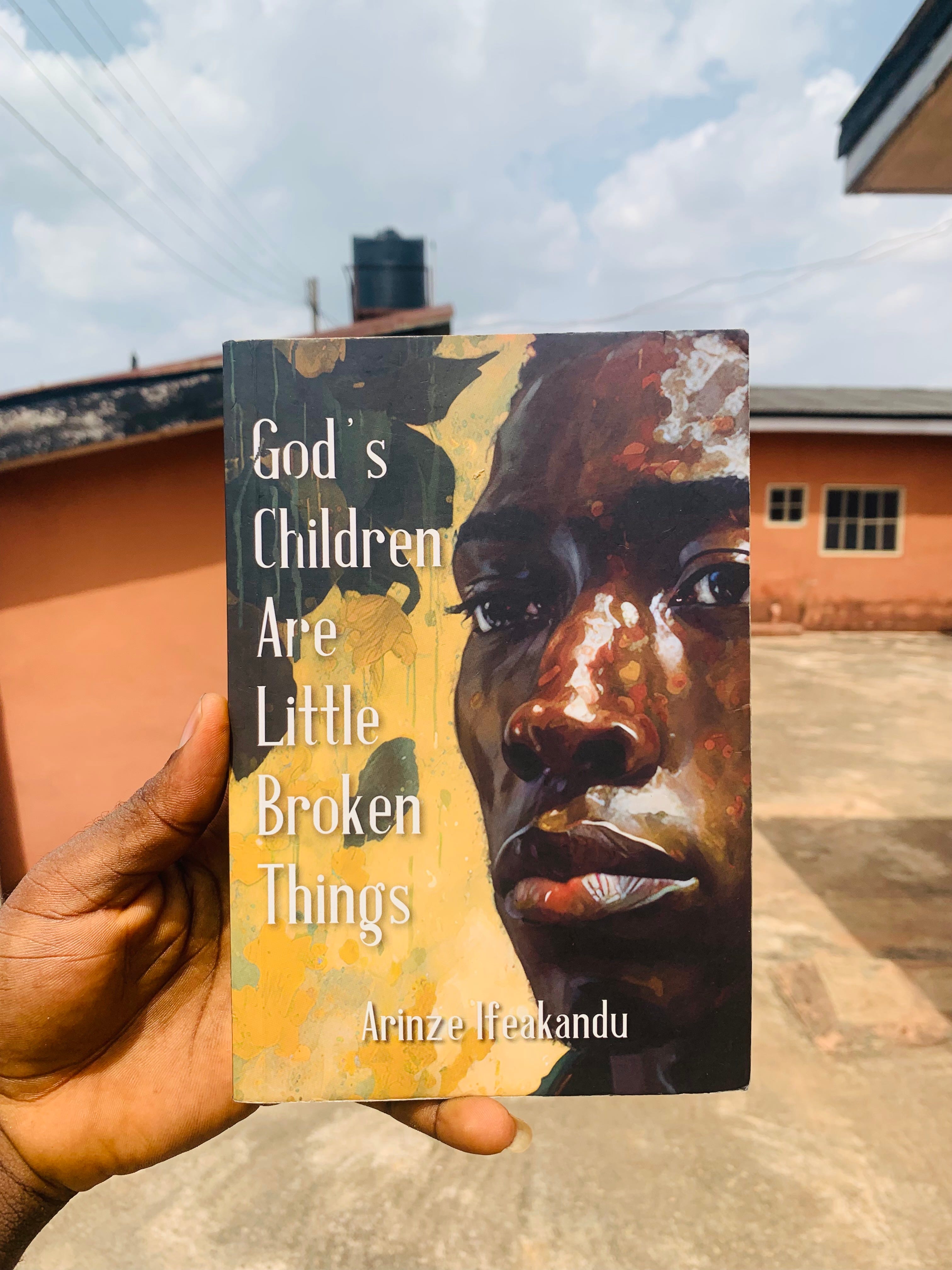
When I finished reading Mother’s Love, the last story, I smiled. I didn’t feel happy, but I felt hope. At work the next day, I opened my phone and started writing for real. I didn’t care about concept or structure or nuance, I was just writing into my Notes. When I was done, I felt proud, not because I wrote a perfect story, but because I actually wrote about something I was too afraid to write about, something that I thought I couldn’t write about.
And that began my career of writing stories that I had a hard time completing before another grand idea pops into my head.
—
This year, I had the plan to write purposefully, and if serious, get published in an online literary publication. With vivaciousness, I wrote and completed two short stories in under a week. I read and edited and did all I knew about a short story. I searched for African literary publications online and selected two and have my works sent to them. The rejection was instant, and it caught me by surprise that I was laughing.
I stopped writing after that. School work became overwhelming, and I had to do better this time. Schedules changed and routines were disrupted. Things got difficult, life became tougher. It felt like my life was undergoing a change that I didn’t plan for. Outwardly, I was living life like every other Nigerian student, but inwardly I was screaming for help. And whenever I picked up my phone to write something down, anything at all, it felt like my hands were willing to type but my brain was too stubborn to be creative. The disagreement between these two tools for writing was frustrating. My head was blank, always blank.
I would love to write so much, but at the moment, I can’t, and I wish that’s fine. I wish I could get the spark back to write. I wish that living in Nigeria wasn’t so hard on me, or hard on anyone at all. I wish life was good that everyone would do and have whatever they’ve always wanted. I wish I could write more audaciously. I wish that whenever I submit my short story for a review, it won’t get rejected. I wish…
Right now, I’m not happy, but I’m hopeful. I smile because I’m happy that I get to finish writing this, and the only treat I get to give myself is an afternoon sleep. Not nap, but sleep. But I don’t want to stop writing. I’m afraid that I must have lost the flair.
Whenever I have to, I will write, and that is what matters.
Until then,
Chidalu.
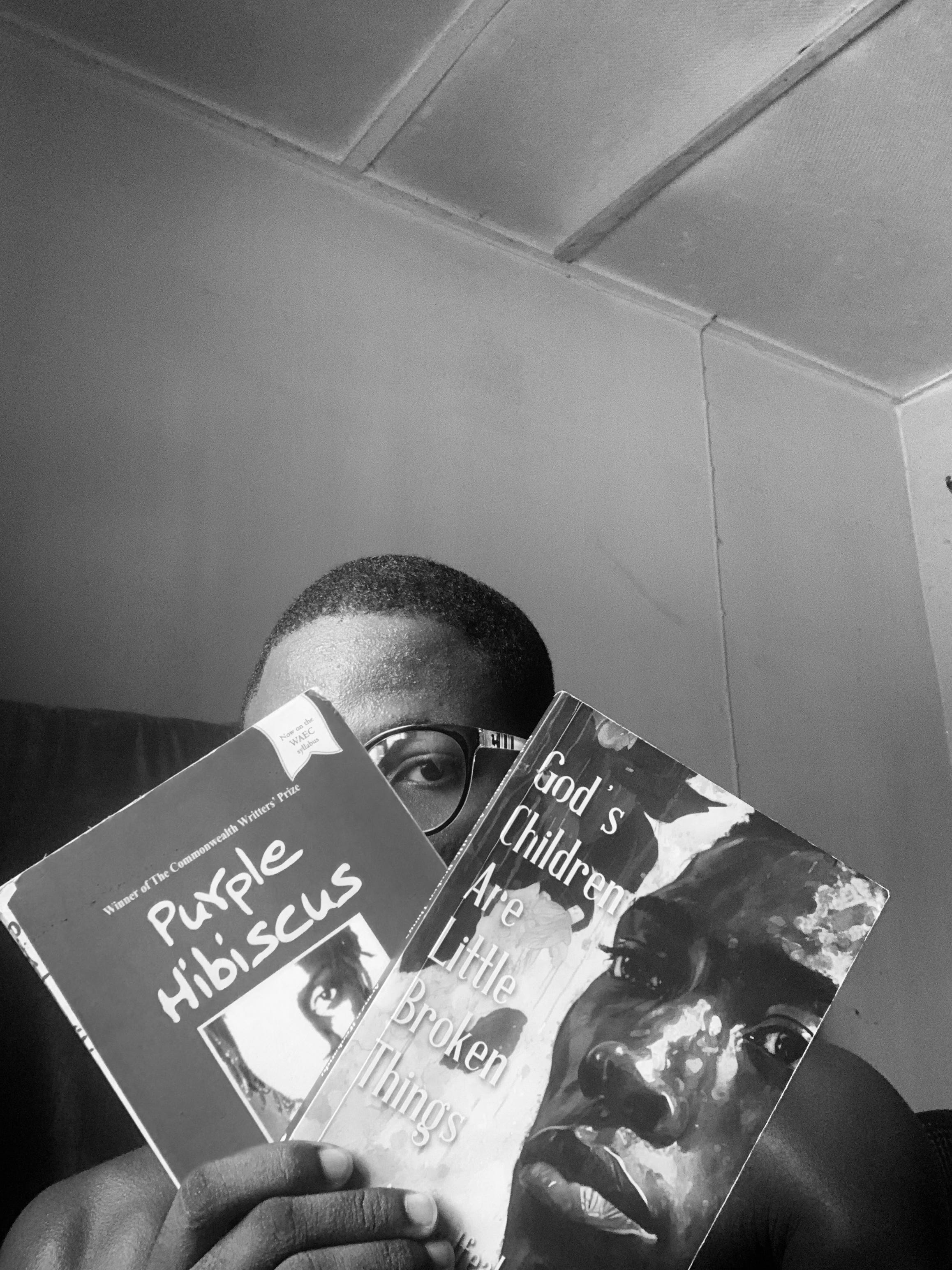
I'm current reading this 🥰
Don't stop writing.💪